

Custom caps and hats are more than accessories. They are powerful branding tools. From company giveaways to sports team uniforms, a well-designed cap can boost recognition and create loyalty.
But the question is always the same: What’s the best way to decorate them?
Most businesses and creators end up choosing between embroidery and digital printing. Both methods are popular, but each has strengths and weaknesses.
If you’re a marketing professional, custom apparel buyer, or fashion enthusiast, this guide will help you decide. We’ll compare embroidery and digital printing, look at file requirements, and explain what to expect for turnaround times.
Custom caps and hats have become powerful branding tools, but choosing the right customization method can make or break your design’s impact. In Brisbane and beyond, businesses, teams, and event organizers often debate between embroidery and digital printing. Each offers unique benefits in texture, appearance, and durability. Understanding how these methods differ helps you pick the right style that aligns with your brand’s identity, budget, and purpose.
Embroidery gives a premium, classic look that enhances professionalism and longevity, making it ideal for corporate wear or luxury merchandise. Digital printing, on the other hand, unlocks creativity with vibrant colors and detailed graphics perfect for promotional items or artistic designs. Whether you need sleek embroidered caps for staff uniforms or bold printed caps for marketing events, knowing when to use each method ensures your brand stands out in style.
-
Embroidery offers durability and a textured, high-quality finish.
-
Digital printing provides vibrant, detailed images suitable for complex designs.
-
Embroidery is ideal for long-lasting logos and professional apparel.
-
Digital printing works best for colorful, small runs and artistic visuals.
-
Choosing the right method enhances brand perception and cost efficiency.
Click Here to Order Custom-Printed Shirts!
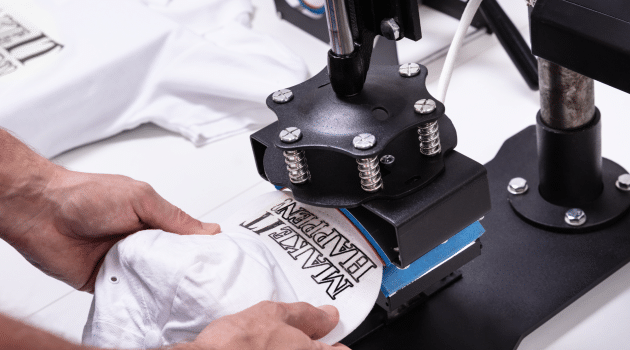
Embroidery vs. Digital Printing
Embroidery and digital printing are the two most common decoration methods for custom caps and hats. Both create striking results, but the process and finish are very different.
Embroidery
Embroidery uses thread to stitch your design directly into the cap’s fabric. It gives a raised, textured look that feels premium and long-lasting.
Digital Printing (Heat Transfer or Direct-to-Garment for Hats)
Digital printing transfers ink or vinyl directly onto the fabric. It allows detailed artwork and gradients that embroidery can’t always match. The result is smooth, flat, and closer to a “printed image” than textured thread.
What are the main differences between embroidery and digital printing on caps?
Embroidery involves stitching thread directly into the cap fabric, creating a textured, durable finish ideal for logos and branding. Digital printing, on the other hand, applies ink or transfer vinyl onto the surface. It’s better suited for detailed or gradient-rich artwork, producing a flat, image-like result that highlights color depth and complexity.
Which method lasts longer, embroidery or digital printing?
Embroidery typically lasts longer since the stitched design resists fading, peeling, and wear over time. It maintains its shape even through frequent washing. Digital printing offers great color accuracy but may fade faster with exposure to sunlight or moisture. Business logos or uniforms requiring long-term durability often benefit more from the embroidery method.
When should you choose digital printing instead of embroidery?
Digital printing works best for intricate designs, photographic images, or artwork with fine gradients and shading that thread can’t replicate. It’s also faster and more cost-effective for small orders. For fashion brands, promotional hats, or creative designs where full-color detail matters most, digital printing provides a visually striking and modern finish.
Pros and Cons of Embroidery
✅ Pros
-
Durability: Embroidered designs last for years. They hold up to washing and daily wear.
-
Professional Look: Thread creates a textured, high-end finish. Perfect for corporate logos or uniforms.
-
Brand Perception: Embroidery adds weight and authority to your brand. A stitched logo looks more permanent than a printed one.
-
Longevity: Embroidery won’t fade or peel like prints sometimes do.
❌ Cons
-
Design Limits: Embroidery struggles with small details, fine lines, and color gradients.
-
Cost: Higher setup costs, especially for complex logos or small orders.
-
File Conversion: You need a digitized file (DST or EMB). This adds extra time and cost.
-
Turnaround: Embroidery usually takes longer than printing.
What are the main advantages of using embroidery for custom apparel?
Embroidery offers exceptional durability, making designs resistant to fading, peeling, or cracking. Its textured stitchwork provides a professional and polished appearance, ideal for uniforms, corporate wear, and branding. The technique also enhances brand perception by adding depth and permanence to logos, giving them a refined, premium feel that printed methods often cannot match.
What challenges should you consider before choosing embroidery?
Embroidery can be expensive, particularly for detailed designs or small orders. Complex logos requiring fine lines or gradients often lose clarity during stitching. Additionally, you’ll need a digitized file format like DST or EMB, which adds both cost and production time. It’s also generally slower to complete compared to faster digital or heat-based printing methods.
When is embroidery the best choice for custom garments?
Embroidery is ideal for professional or long-lasting apparel like work uniforms, polo shirts, and sports gear. It suits designs that emphasize simplicity, bold shapes, and solid colors. Businesses often select embroidery for its polished appearance and durability, especially when creating premium merchandise or maintaining consistent branding across multiple clothing types and materials.
Pros and Cons of Digital Printing
✅ Pros
-
Detail and Color Range: Digital printing handles fine lines, gradients, and photo-realistic images.
-
Speed: Faster turnaround times, especially for small batches.
-
Flexibility: Great for testing designs or producing short runs.
-
Cost-Effective for Small Orders: Lower setup costs than embroidery.
❌ Cons
-
Durability: Prints may crack, fade, or peel over time, especially with heavy use.
-
Flat Look: Printed designs don’t have the premium, textured feel of embroidery.
-
Fabric Limitations: Not all cap fabrics hold digital prints well. Embroidery is more versatile in this area.
-
Perception: Some buyers see digital printing as less “official” compared to stitched designs.
What makes digital printing a popular choice for custom apparel?
Digital printing is favored for its ability to produce sharp, vibrant images with excellent color gradients and fine detailing. It’s perfect for short runs, prototype designs, or one-off pieces due to its quick setup and fast turnaround. Small businesses especially benefit from its cost efficiency, as there are minimal upfront setup fees or material waste.
Are there any downsides to using digital printing on fabric?
Despite its advantages, digital printing has some drawbacks. The prints can fade or crack after repeated washing and may lack the rich texture that embroidery provides. Certain fabrics also struggle to hold digital ink, limiting material options. Because of this, digital printing is often chosen for casual or promotional use instead of long-term, heavy-wear garments.
How does digital printing compare to traditional embroidery?
Digital printing offers a modern alternative to embroidery, focusing on high-detail visuals rather than textured finishes. It allows photographic-quality images and a broader color spectrum but lacks embroidery’s tactile and premium look. While digital printing excels in speed, flexibility, and cost-effectiveness for small orders, embroidery remains superior for durability and professional presentation.
File Types: What You Need to Know
One of the most overlooked parts of ordering custom caps is the file type. Without the right file, your supplier can’t produce your design correctly.
For Embroidery
Embroidery machines need a special file called a digitized file. Common formats are:
-
DST (Tajima): Most widely used format for embroidery machines.
-
EMB (Wilcom): Editable embroidery file.
-
PES (Brother): Used for some commercial and home embroidery machines.
➡️ You cannot use a regular JPEG or PNG for embroidery. Your design has to be converted (digitized) into one of the above formats. Most suppliers offer digitizing services for a fee.
For Digital Printing
Digital printing is more flexible with files. Accepted formats usually include:
-
AI (Adobe Illustrator): Best for logos and vector designs.
-
EPS (Encapsulated PostScript): Industry standard for print-ready graphics.
-
PNG: Works if the resolution is high (300 dpi or more). Supports transparency.
-
JPEG: Acceptable but not ideal. Must be high resolution.
➡️ For best results, always send vector files (AI or EPS). They scale without losing quality.
What file type is required for custom cap embroidery?
Embroidery machines use digitized files rather than regular images. Common formats include DST, EMB, and PES, which contain stitch data needed for accurate embroidery. JPEG or PNG files cannot be used directly; they must first be converted through digitizing. Most suppliers provide this service to ensure your logo or design stitches correctly on the cap.
Why can’t regular image files like JPEGs or PNGs be used for embroidery?
JPEG and PNG files are made of pixels, not stitches. Embroidery machines require detailed stitch path information that only digitized files like DST or EMB provide. Converting your image into one of these formats ensures precision, color accuracy, and proper threading during production, making your embroidered logo clean, durable, and professional-looking.
What are the best file types for digital printing on caps?
For digital printing, vector files such as AI or EPS are best because they scale perfectly without losing quality. High-resolution PNGs or JPEGs (300 dpi or higher) can also work but aren’t ideal for resizing. Using vector files ensures crisp, clear results and helps your supplier produce vibrant prints that maintain brand integrity across all designs.
Turnaround Time
Turnaround time depends on the method, the complexity of your design, and your supplier’s workload.
Embroidery
-
Digitizing Time: 1–3 business days if your file isn’t ready.
-
Production Time: 5–10 business days depending on order size.
-
Rush Orders: Possible but more expensive.
Embroidery usually takes longer because each cap must be stitched individually.
Digital Printing
-
File Prep: Usually same-day if your artwork is ready.
-
Production Time: 2–5 business days for small to medium orders.
-
Rush Orders: Often easier to accommodate than embroidery.
Printing is faster because once the file is set up, the process is more automated.
How long does embroidery typically take for custom apparel orders?
Embroidery usually takes between 5 to 10 business days after digitizing your design, which itself can take an additional 1 to 3 days if the file isn’t already prepared. Because each item is stitched individually, production times are longer. Rush options are sometimes available but tend to increase overall costs significantly.
What factors affect digital printing turnaround times in Brisbane?
Digital printing times depend on your artwork readiness and order size. If your file is prepared, most suppliers can begin printing the same day. Standard production takes 2 to 5 business days for small to medium runs. Because the process is automated, turnaround times are shorter, and rush jobs are easier to accommodate compared to embroidery.
Why is embroidery slower than digital printing for T-shirt production?
Embroidery requires each design to be digitized and individually stitched, making it more time-intensive. Digital printing, by contrast, uses automated systems that apply designs directly onto garments in minutes. For large runs or detailed logos, embroidery’s craftsmanship takes longer, while digital printing offers faster turnaround without compromising design clarity or vibrant color reproduction.
Which Should You Choose?
Embroidery offers timeless appeal and durability that stand out in professional settings. It creates a tactile, high-quality finish that boosts brand authority and ensures longevity, even after multiple washes. Corporate uniforms, hospitality apparel, and luxury merchandise often use embroidery to project a polished look. While it may come at a higher upfront cost, it adds perceived value and promotes brand consistency across garments, making it ideal for businesses seeking a refined and lasting visual impression.
Digital printing, on the other hand, excels in flexibility and creativity. It’s ideal for brands that thrive on color-rich designs, artistic graphics, or short-run projects. With no setup fees and fast production times, digital printing supports modern marketing efforts perfectly – especially for seasonal campaigns or promotional events. Businesses can experiment with limited editions or eye-catching visuals, ensuring visual impact without the commitment of large inventory orders or long lead times.
-
Embroidery adds texture, dimension, and durability.
-
Digital printing enables vibrant, full-color designs.
-
Embroidery suits uniforms, while printing fits trend-based apparel.
-
Both methods enhance brand identity in different ways.
-
Choosing depends on budget, timeline, and design complexity.
Many companies use both methods depending on the project. Embroidered caps for staff uniforms. Digitally printed caps for giveaways or limited editions.
What are the main advantages of choosing embroidery for branding?
Embroidery offers a premium and long-lasting finish that enhances brand professionalism. It holds up well over time, even through frequent washing, making it ideal for uniforms and luxury apparel. The textured stitching creates a high-quality appearance that adds value and credibility to your brand, appealing to businesses seeking a polished and timeless look.
Why might digital printing be a better choice for certain projects?
Digital printing is perfect for projects requiring quick turnaround, colorful designs, and smaller production runs. It allows for detailed graphics without setup costs, making it budget-friendly for short runs or promotional items. This method gives creative freedom and is ideal for marketing campaigns, fashion collections, or event merchandise with vibrant, modern visuals.
Can embroidery and digital printing be used together effectively?
Yes, many businesses combine embroidery and digital printing to meet different needs. Embroidery is chosen for staff uniforms or premium collections where presentation matters most. Digital printing is used for giveaways, seasonal designs, or limited editions. Using both methods provides flexibility, balancing quality with creativity while maintaining consistent branding across multiple clothing or promotional lines.
Summary
Custom caps and hats are a small item with a big branding impact. But the method you choose—embroidery or digital printing—can make all the difference in quality, durability, and perception.
-
Embroidery gives you a premium, long-lasting look.
-
Digital printing gives you flexibility, speed, and design freedom.
Remember: the right file type and realistic turnaround time are just as important as the decoration method. Work closely with your supplier to make sure your design is production-ready.
At the end of the day, your cap is more than fabric. It’s your brand on display. Choose wisely, and your customers, team, or fans will wear it with pride.