

DTG vs DTF vs Screen Printing vs Embroidery: Which Is Best for Your Custom Shirts?
Introduction
Choosing the right printing method is one of the most important decisions when ordering custom shirts in Brisbane. The method you select impacts print quality, durability, cost, turnaround speed and suitability for different garments. This guide breaks down each method in simple terms so you can choose confidently.
Choosing the right printing method for t-shirts depends on design complexity, order quantity, fabric type, and budget. DTG (Direct-to-Garment) excels for small runs with photorealistic, multi-color details on cotton, offering a soft feel but lower durability on washes. DTF (Direct-to-Film) provides vibrant, flexible prints on any fabric, ideal for synthetics and short-to-medium orders with low setup costs.
Screen printing suits bulk orders (50+ units) with bold, few-color designs, delivering high durability and vibrancy at low per-unit costs after screen setup, though it’s less efficient for complexity or small batches. Embroidery creates premium, textured logos on thicker fabrics like polos, with outstanding longevity for branding, but limits detail and suits simple graphics best.
Compare via these factors: For one-offs or intricate art, pick DTG/DTF; bulk/simple, screen; logos/uniforms, embroidery. Test samples and prioritize wash tests for your needs.
If you’re looking for T-shirt printing in Brisbane, including same-day printing, event shirts and corporate uniforms, visit our main guide here:
👉 T-Shirt Printing Brisbane – Complete Services & Pricing >> Click Here
What Is DTG Printing?
Direct to Garment (DTG) is a modern printing method that works like a high-tech inkjet printer for clothing. It prints ink directly into the fibres.
DTG (Direct-to-Garment) printing is a digital inkjet process that applies water-based inks directly onto fabrics like cotton t-shirts using specialized printers, mimicking a large-scale paper printer.
The process starts with pre-treating the garment – especially dark fabrics – to flatten fibers and enhance ink adhesion, followed by printing CMYK plus white inks for vibrant, high-resolution designs with photorealistic detail. Ink is then cured via heat press (around 160°C for 90 seconds) or dryer to bond it durably to the fabric, ensuring washability without screens or transfers.
Ideal for small runs, complex multi-color graphics, and on-demand production, DTG offers soft-hand feels and no minimums but works best on natural fibers (80%+ cotton) and may fade faster on synthetics than screen printing.
Best For:
-
Full-colour photos
-
One-off shirts
-
Memorial shirts
-
Gifts
-
Detailed artwork
Pros:
-
Soft feel
-
No minimum order
-
Fast turnaround
Cons:
-
Works best on 100% cotton
-
Not ideal for huge bulk orders needing low cost per unit
What Is DTF Printing?
Direct to Film (DTF) prints the design onto a film which is then heat-pressed onto the garment.
DTG (Direct-to-Film) printing is a heat-transfer method where designs are printed onto PET film using specialized inkjet printers with CMYK and white inks, then transferred to fabrics via heat press.
The process begins by printing a reversed, high-resolution design on coated PET film (0.75mm thick), starting with a white base layer for opacity on dark fabrics. Adhesive powder is applied evenly to wet ink, excess shaken off, and cured in an oven or heat press (around 160°C) to melt and bond it. The film is placed face-down on pre-pressed fabric, heat-pressed (165°C for 15-20 seconds), hot-peeled while warm, and post-pressed for durability.
DTF excels on any fabric (cotton, polyester, blends), delivering vibrant, stretchable prints with no pre-treatment, ideal for small-to-medium runs and complex graphics, though it may feel slightly thicker than DTG
Best For:
Pros:
|
|

-
Very durable
-
No minimums
Cons:
-
Slightly thicker feel than DTG
What Is Screen Printing?
Screen printing is a traditional stencil-based method for applying ink layers onto t-shirts using mesh screens, ideal for high-volume production with bold, durable designs.
The process starts with artwork preparation: create film positives, coat screens with light-sensitive emulsion, expose them under UV light (e.g., 1-2 hours) to harden non-image areas, then wash out unexposed stencil sections with water. Mount screens in a rotary or manual press, align the t-shirt on a platen with adhesive, load plastisol or water-based ink per color screen, and flood ink across the mesh.
Pull a squeegee at 45-60° angle with firm pressure to push ink through the stencil onto fabric, repeating for multi-color jobs with precise registration. Offload shirts and cure ink in a conveyor dryer (320°F/160°C for 1-3 minutes) for wash-fast results. Best for 50+ units, simple graphics on cotton/poly blends
Screen Printing Best For:
-
Bulk orders of 20+ shirts
-
Events
-
Festivals
-
Merchandise
-
Simple logos
Pros:
-
Most cost-effective for large volumes
-
Bold solid colours
-
Excellent durability
Cons:
-
Not available for urgent same-day
-
Requires vector artwork
-
Minimum 20 shirts
What Is Embroidery?
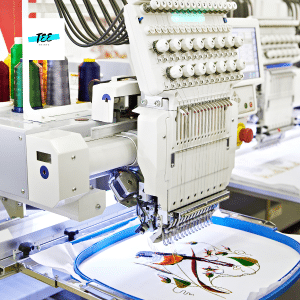
Embroidery is a decorative stitching technique using thread to create raised, textured designs on fabric like t-shirts or polos, often via industrial machines for logos and branding.
The process begins with garment prep: wash to pre-shrink, apply fusible mesh stabilizer inside, mark centerlines (e.g., 3-8 inches below collar), and hoop with tear-away adhesive stabilizer for tautness without stretching knits. Load digitized design on machine, align precisely (using lasers), add water-soluble topping to prevent sink-in, and stitch with short threads like satin or backstitch at low speed (500/min).
Finish by removing stabilizers, dissolving topping in water, trimming excess, and ironing soft backing inside for skin comfort and durability. Ideal for simple graphics on thicker fabrics, offering premium longevity.
Best For:
-
Polos
-
Hoodies
-
Corporate uniforms
-
Caps & beanies
Pros:
Cons:
|
|
Which Printing Method Should You Choose?
Selecting the best printing method for your t-shirt order hinges on quantity, design complexity, fabric type, budget, and durability needs.
-
Small runs (1-50 units), intricate multi-color/photorealistic designs: Choose DTG for soft, direct cotton prints or DTF for versatile fabrics with vibrant stretch – no setup costs, quick turnaround. DTF will take 2 weeks.
-
Bulk orders (50+ units), simple bold graphics (1-4 colors): Opt for screen printing – cost-effective per unit, highly durable on cotton/blends after initial screens.
-
Logos/branding on polos/thicker apparel: Select embroidery for premium, textured longevity, though limited to simple shapes.
Test fabric compatibility (DTG/DTF prefer cotton/synthetics), request samples, and prioritize wash tests. For Brisbane events, factor local printers’ capabilities like fast DTF for memorials.
| Situation | Best Method |
|---|---|
| One-off custom shirt | DTG / DTF |
| Funeral / memorial shirts | DTG |
| Corporate uniforms | DTF / Embroidery |
| Large event (20+) | Screen printing |
| Hoodies | DTF/Embroidery |
| Sharp, premium look | Embroidery |
| Fast turnaround | DTG |
Final Thoughts
Choosing the right printing method comes down to design, quantity, fabric, and finish. DTG suits small runs with soft, detailed prints on mostly cotton garments. DTF offers vivid, stretchy designs on almost any fabric, making it ideal for flexible, on-demand orders. Screen printing is best for bulk orders with simple, bold artwork, delivering long-lasting prints at low per-unit cost once setup is done. Embroidery is the premium choice for logos on polos, uniforms, and heavier garments, adding a textured, professional feel.
As a rule of thumb: choose DTG/DTF for small, complex designs, screen printing for large batches, and embroidery for durable branded uniforms. Ready to get started? Share your garment type, quantity, deadline, and artwork style to get a tailored recommendation and avoid costly print mistakes on your next order.
How to order fast t shirt printing
What to know about T shirt brands