

Choosing between embroidery and digital printing for custom hoodies in Brisbane can make or break your design’s impact. Embroidery offers a timeless, textured finish that embodies professionalism and longevity, making it a favourite for corporate wear and premium branding. Digital printing, on the other hand, allows for vibrant, detailed, and full-colour designs, perfect for creative projects, artwork, and promotional apparel that demand precision and flair.
Understanding the advantages of both options helps customers find the ideal balance between style, durability, and cost. Embroidery withstands frequent washing and adds depth to logos, while digital printing offers flexibility with photo-quality results on various fabrics. Considering your hoodie’s purpose, design complexity, and budget ensures you choose the best method to achieve a polished, lasting impression.
-
Embroidery delivers a luxurious, professional look ideal for business apparel.
-
Digital printing provides detailed and colourful designs for artistic or casual wear.
-
Hoodie material affects how well each method performs and lasts over time.
-
Bulk orders benefit from embroidery’s durability, while small quantities suit digital prints.
-
Comparing cost, texture, and visual results ensures you select the most effective branding solution.
Custom hoodies are one of the most popular choices for branding, team apparel, merchandise, and fashion. They offer warmth, comfort, and a large design space for logos, text, and graphics. But when it comes to decorating hoodies, two main methods stand out: Embroidery vs. Digital Printing on Custom Hoodies: What You Need to Know
Both techniques have unique advantages and disadvantages. The best choice depends on your design, budget, and how you want your hoodie to be used. In this guide, we’ll compare embroidery and digital printing for hoodies, discuss pros and cons, explain required file types, and outline turnaround times so you can make the best decision for your brand.
Click Here to Order Custom-Printed Shirts!
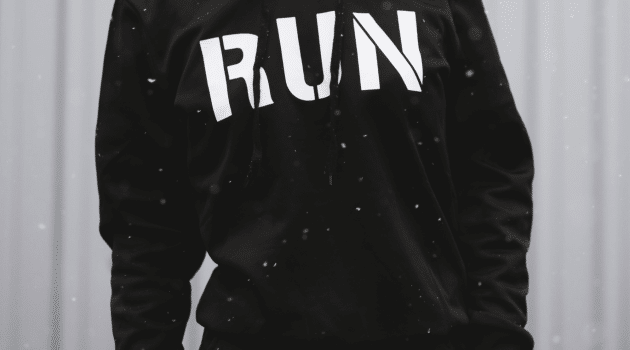
Embroidery vs. Digital Printing on Hoodies
Embroidery
Embroidery uses stitched threads to sew your design into the fabric. It’s known for its durability and premium look. Logos and text come out raised, giving hoodies a professional and stylish finish.
Digital Printing (DTG)
Direct-to-Garment (DTG) printing works like an inkjet printer but for fabric. It sprays ink directly onto the hoodie, making it great for complex, colorful designs and photographic images.
What are the main advantages of embroidery on hoodies?
Embroidery offers a polished, long-lasting finish that elevates any hoodie design. The stitched threads resist fading and wear, making it ideal for business logos, team wear, or branding. Its raised texture creates a professional, high-quality look. While typically costlier than printing, embroidery’s durability and classic appeal justify the investment for premium apparel.
Why choose digital printing (DTG) over embroidery for hoodie designs?
Digital printing provides flexibility and detail unmatched by embroidery. It reproduces complex, multicolored, or photographic designs directly onto the fabric with precision. DTG suits small runs and creative custom pieces since there are minimal setup costs. The result is a smooth, soft finish perfect for casual or artistic hoodies where vivid color and fine detail matter most.
Pros and Cons of Each (DTG vs Embroidery)
✅ Embroidery Pros
-
Durability: Stitches last as long as the hoodie itself.
-
Premium Appearance: Raised texture gives a professional, luxury feel.
-
Great for Logos: Works well for corporate branding, initials, and team names.
-
Resists Wear: Holds up through washes without fading.
❌ Embroidery Cons
-
Limited Detail: Fine lines and small text may not stitch well.
-
Higher Cost for Large Designs: Bigger embroidery areas mean higher stitch counts and more expense.
-
Not Ideal for Photographs: Only works for simpler designs.
✅ Digital Printing Pros
-
Full Color Designs: Perfect for gradients, shading, and detailed artwork.
-
Cost-Effective for Small Orders: No setup fees for small runs.
-
Quick Turnaround: Fast production compared to embroidery.
-
Soft Finish: The ink blends into fabric, keeping hoodies soft.
❌ Digital Printing Cons
-
Durability Issues: Ink may fade faster after many washes.
-
Limited on Dark Fabrics: Works best on light-colored hoodies unless treated.
-
Flat Look: No texture or raised effect like embroidery.
What are the main advantages of embroidery compared to DTG printing?
Embroidery offers exceptional durability and a premium, textured look that stands out on hoodies and uniforms. The stitched design resists fading and lasts as long as the garment itself, making it perfect for logos and branding. It also conveys professionalism and luxury, ideal for company apparel or personalized gifts.
What are the drawbacks of embroidery for detailed designs?
Embroidery struggles with intricate artwork because fine lines and small text can be hard to stitch accurately. Large designs increase production costs due to higher stitch counts. Additionally, embroidery isn’t suitable for photo-based images or complex gradients since it relies on thread colors rather than ink blending.
Why might someone choose DTG printing over embroidery?
DTG printing excels at producing full-color, detailed designs with smooth gradients and shading. It’s cost-effective for small batches because no setup or stitching time is required. The ink blends into the fabric, providing a soft, comfortable finish that works well for artistic or vibrant hoodie designs.
What limitations should you consider with DTG printing?
DTG prints are not as durable as embroidery and may fade faster after repeated washing. They’re best suited for light-colored fabrics since dark garments often require pretreatment. The finish is completely flat, which limits the sense of texture or dimensionality compared to raised embroidery.
File Types Needed for Hoodie Decoration
For Embroidery:
-
File Format: Vector files such as .AI, .EPS, or high-res .PDF.
-
Digitized File: The artwork must be converted into a .DST or .EMB embroidery file.
-
Considerations: Avoid fine details and gradients—stick to solid colors.
For Digital Printing:
-
File Format: High-resolution .PNG (with transparent background) or .TIFF.
-
Color Profile: RGB works best for DTG.
-
Considerations: 300 DPI (dots per inch) is recommended for crisp results.
What file types are best for embroidery on hoodies?
Vector files such as .AI, .EPS, or high-resolution .PDFs are ideal for embroidery because they maintain sharp lines and scalability. These designs must then be digitized into machine-readable formats like .DST or .EMB before production. This ensures accurate stitching, clean outlines, and professional-quality embroidery results on hoodie fabrics.
Why is digitizing artwork important for embroidery?
Digitizing converts vector artwork into stitch data that embroidery machines can understand. During this process, technicians define stitch types, density, and direction for optimal precision. Without a properly digitized .DST or .EMB file, the design may lose detail or appear uneven. Digitizing also helps match thread colors for a polished, durable finish on hoodies.
Which file format is best for digital hoodie printing?
For digital or DTG printing, high-resolution .PNG or .TIFF files work best. PNGs with transparent backgrounds allow for accurate placement without unwanted edges. Using RGB color profiles helps produce vibrant print results, while a resolution of 300 DPI ensures sharp lines and clear image details, especially on cotton-blend hoodies.
What design factors should you consider for hoodie decoration files?
Avoid small text, fine gradients, or overly detailed patterns that can distort when embroidered or printed. Stick to bold colors, clear shapes, and high contrast. Preparing artwork at 300 DPI and in the correct format – vector for embroidery or PNG/TIFF for digital printing – ensures high-quality, professional hoodie decoration across different fabric types.
Turnaround Times
-
Embroidery on Hoodies: Usually 7–14 business days depending on order size. Large stitch counts increase production time.
-
Digital Printing on Hoodies: Often faster, around 3–7 business days, especially for small runs.
Rush orders may be possible with both methods, but embroidery typically requires more lead time due to setup and stitching.
Considerations for Choosing the Right Method
When deciding between embroidery and digital printing for custom hoodies, ask yourself:
-
Do I want a long-lasting, professional look? → Choose embroidery.
-
Do I need a colorful or photo-realistic design? → Go with digital printing.
-
What’s my budget? Small, colorful orders are better for DTG. Large logo orders may be more cost-effective with embroidery.
-
How soon do I need them? DTG is usually quicker, but embroidery offers a higher-end finish worth the wait.
What factors should I consider when choosing between embroidery and digital printing for hoodies?
When deciding, think about durability, look, and purpose. Embroidery lasts longer and adds texture, making it ideal for professional branding. Digital printing allows vivid, detailed designs that suit creative or casual apparel. Consider your garment material, design complexity, and intended use to choose the right method for your needs.
Which method is best for achieving a premium, long-lasting appearance?
Embroidery provides a high-end, textured finish that withstands repeated washing, making it perfect for uniforms or corporate wear. Its raised stitching adds dimension and durability not found in digital printing. For anyone prioritizing a professional look or premium finish, embroidery delivers quality and longevity worth the investment.
When should I choose digital printing over embroidery?
Digital printing is great for colorful, intricate, or photo-realistic artwork. It works best on cotton fabrics and offers smooth, detailed visuals that embroidery can’t replicate. This method is faster and more cost-effective for small batches or promotional projects where creativity and color variety are essential.
How does turnaround time differ between embroidery and digital printing?
Digital printing typically has a faster turnaround because it requires less setup and can produce designs directly onto garments. Embroidery takes longer due to stitching time and thread setup, especially for bulk orders. However, its polished, durable finish makes the extra wait worthwhile for premium or professional apparel.
Summary
Custom hoodies are an investment in your brand, team, or event. Both embroidery and digital printing have strong advantages, but the right choice depends on your design needs, timeline, and budget.
If you want durability and a premium finish, embroidery is the way to go. If you need fast turnaround and full-color detail, digital printing is the better option.
Either way, a well-designed hoodie will keep your brand visible, stylish, and memorable.