

Imagine you’re launching a new line of branded t-shirts for your Brisbane business, excited for them to turn heads at outdoor markets or events along the river. But then reality hits: after a few sweaty summers, the vibrant designs start cracking, fading under relentless UV rays and humidity. You’re left with dull, peeling logos that scream amateur, costing you credibility and repeat customers.
This nightmare plagues many in Brisbane’s subtropical climate, where high UV indexes over 10 and 80% humidity chew through inferior prints. You want bold, long-lasting apparel that withstands beach days, festivals, and daily wear without losing its punch. The good news? With smart choices in screen printing durability in Brisbane conditions, your designs can thrive for years.
How Does Screen Printing Actually Work?
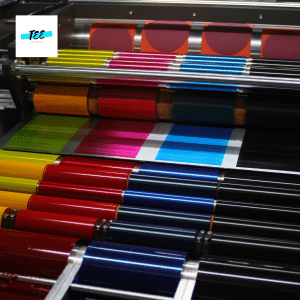
Screen printing starts with coating a mesh screen with light-sensitive emulsion, then exposing it to UV light through a film of your design. Unexposed areas wash away, creating a stencil that allows ink to pass through onto fabric or other surfaces. A squeegee pushes ink across the screen, depositing precise layers of color one at a time for each element in the design.
This hands-on process excels for high-volume runs, bonding plastisol or water-based inks deeply into fibers for superior hold. In Brisbane’s heat, controlled curing often via conveyor dryers at 160°C ensures inks fully set, resisting cracks from flexing. Unlike digital methods, this mechanical transfer creates thick, opaque prints that pop on dark fabrics, too.
What Makes This Process Brisbane-Proof?
|
|

- Curing Temperature Optimization: Flash curing at 75°F+ avoids cold-weather viscosity issues, locking inks against subtropical sweat and sun.
-
Multi-Color Registration: Aligning screens perfectly minimizes misalignment from heat expansion, keeping designs intact longer.
Key Considerations for Screen Printing Mechanics
What role does emulsion play in durability?
Emulsion forms the stencil backbone; choose humidity-resistant types to avoid breakdown in Brisbane’s 70-90% RH, ensuring stencils hold up for crisp, fade-resistant prints over 50 washes. (60 words)
How many colors can you realistically use?
Limit to 6-8 for cost and alignment; more risks of misregistration in heat, weakening bonds. Bold palettes enhance vibrancy against UV fade.
Why Does Brisbane’s Weather Destroy Most Prints?
Brisbane’s subtropical climate delivers year-round UV hell, averaging 300 sunny days, indexes up to 14, plus 1000mm+ rain and 25-35°C swings. Humidity spikes to 90% trap moisture in prints, promoting mold or ink separation, while sun accelerates photo-degradation, fading colors 20-30% in 2 years outdoors.
Without adaptation, standard prints crack from fabric stretch in heat or peel during humid downpours. Indoor use fares better, but event tees or workwear face constant assault, turning investments into trash fast. Tailored techniques turn this foe into an ally for enduring results.
Which Weather Factors Hit Hardest?
-
UV Radiation Intensity: Brisbane’s ozone hole legacy boosts rays; UV-stable pigments prevent 50% fade vs standard inks after 1000 hours of exposure.
-
High Humidity Effects: 80%+ RH slows drying, risking ink bleed; low-VOC water-based inks cure faster without brittleness.
-
Temperature Fluctuations: 10-40°C swings expand fabrics unevenly; flexible plastisols absorb stress without cracking.
-
Rain and Chlorine Exposure: Frequent showers leach dyes; waterproof additives seal prints for poolside or riverside use.
-
Salt Air from Coast: Corrosion from sea spray; anti-corrosive primers protect for coastal Brisbane suburbs.
Top Questions that Come Up Often on Brisbane Weather Impacts
Does humidity ruin screen prints?
Yes, it softens emulsions and slows curing, causing smears. Opt for dehumidified shops and quick-dry inks to maintain integrity in 90% RH.
How bad is Brisbane UV for prints?
Extremely; index 12+ fades cheap inks yearly. UV blockers extend life 3x, ideal for outdoor gear.
What Design Choices Boost Durability Here?
Opt for bold, solid colors over gradients. Screen printing shines with 4-6 spot colors separated into vectors. Avoid fine lines under 1pt; they blur and fade first in the sun. High-contrast designs on light fabrics maximize visibility post-exposure.
Scale images 10-12 inches for chests, ensuring 300 DPI equivalents in EPS files for sharpness. Curved placements follow body lines to minimize stretch cracks. Test swatches in Brisbane sun simulate real wear.
How Do You Pick Winning Designs?
-
Vector Over Raster Files: EPS/SVG prevent pixelation when scaled, holding edges against abrasion for 10+ years.
-
Limited Color Palette: Fewer screens mean precise registration, which reduces weak spots prone to peeling.
-
Bold Line Weights: 0.5mm+ strokes resist cracking on flexing cotton during humid workouts.
-
Strategic Placement: Chest or back avoids underarm sweat; sleeves for smaller, less-stressed art.
-
Fabric-Matched Designs: Dark shirts need underbase white for opacity that survives 50 washes.
Commonly Asked Questions About Design Durability
Are gradients okay for screen printing?
No, they require blends that fade unevenly in UV. Stick to solids for even wear and cost savings in Brisbane bulk runs.
What file types work best?
EPS or AI vectors; PNGs distort. Vectors scale perfectly, ensuring longevity without blur. (51 words)
Which Inks Conquer Brisbane Conditions?
Plastisol inks dominate for their flexibility and UV resistance when properly cured, penetrating cotton deeply. Water-based options suit eco-needs, discharging for soft hands that breathe in humidity without stiffening. UV-curable variants harden instantly, unbeatable for outdoor banners.
Phthalate-free formulas meet Aussie standards, resisting chemical breakdown from sunscreen or chlorine. Additives like optical brighteners counter yellowing. Always cure to 160°C for full fusion.
What Separates Top Inks?
|
 |
What Most People Ask About Ink Choices
Plastisol or water-based for Brisbane?
Plastisol for max durability; water-based for softness in humidity. Both last 50+ washes if cured right.
Do UV inks work on fabric?
Primarily rigid subs, but adapted versions excel outdoors. Test for flex needs.
How Can You Care for Prints to Last Longer?
Turn inside-out, cold wash <30°C with mild detergent, no bleach or dryers that heat-crack inks. Line dry in shade to dodge extra UV. Iron print-side down low if needed.
Store flat, away from direct sun; spot-clean stains promptly. For workwear, professionals launder every 20 cycles. This doubles lifespan.
What’s the Best Care Routine?
-
Cold Gentle Cycles: Preserves bonds, retaining 80% vibrancy after 100 washes.
-
Shade Drying: Avoids UV while wet, preventing set-in fades.
-
No Fabric Softeners: They degrade ink adhesion over time.
-
Prompt Stain Removal: Dab, don’t rub, with neutral soap.
-
Seasonal Storage: Cool, dark for off-season gear.
Key Considerations for Print Longevity
How often should you wash?
Every 3-5 wears; overcrowd reduces agitation damage.
Does the dryer hurt prints?
Yes, heat cracks; air-dry always for 2x life. (50 words)
What Works Best? FAQs
FAQ 1: How long do screen prints last in Brisbane?
Quality prints endure 50-100 washes or 5-10 years outdoors with UV inks and care. Brisbane’s sun fades lesser ones in 1-2 years; choose plastisol on cotton blends for best hold against humidity and rays. Regular maintenance, like cold washes, maximizes this.
FAQ 2: Is screen printing better than DTG for durability?
Yes, thicker ink layers resist cracking/peeling far longer than DTG’s spray. Ideal for Brisbane events; DTG suits one-offs but fades quicker in the sun.
FAQ 3: Can prints handle Brisbane pools/beaches?
With chlorine-resistant inks, yes, up to 200 exposures. Avoid cheap dyes; test with additives for salt/UV combo. Rinse post-exposure.
FAQ 4: What’s the top ink for outdoor Brisbane use?
UV-stable plastisol or water-based with blockers; lasts 3x longer than standard. Cure fully to bond fibers against 35°C heat.
FAQ 5: How to test design durability pre-print?
Request swatch proofs exposed 100 hours UV lamp plus wash cycles. Simulates Brisbane year 1; tweak based on fade/crack.
What Works Best?
For screen printing durability in Brisbane conditions, combine UV-pigmented plastisol inks, bold vector designs under 6 colors, full 160°C curing, and strict care like inside-out cold washes. This setup withstands UV index 14, 90% humidity, and 1000mm of rain, delivering 5-10 year lifespans on cotton tees. Avoid gradients/fine details; prioritize chest placements on blends. Local experts guide substrate-ink matches, ensuring vibrant, crack-free results that elevate your brand through endless summers. Paired with proper storage, your prints outlast rivals effortlessly.